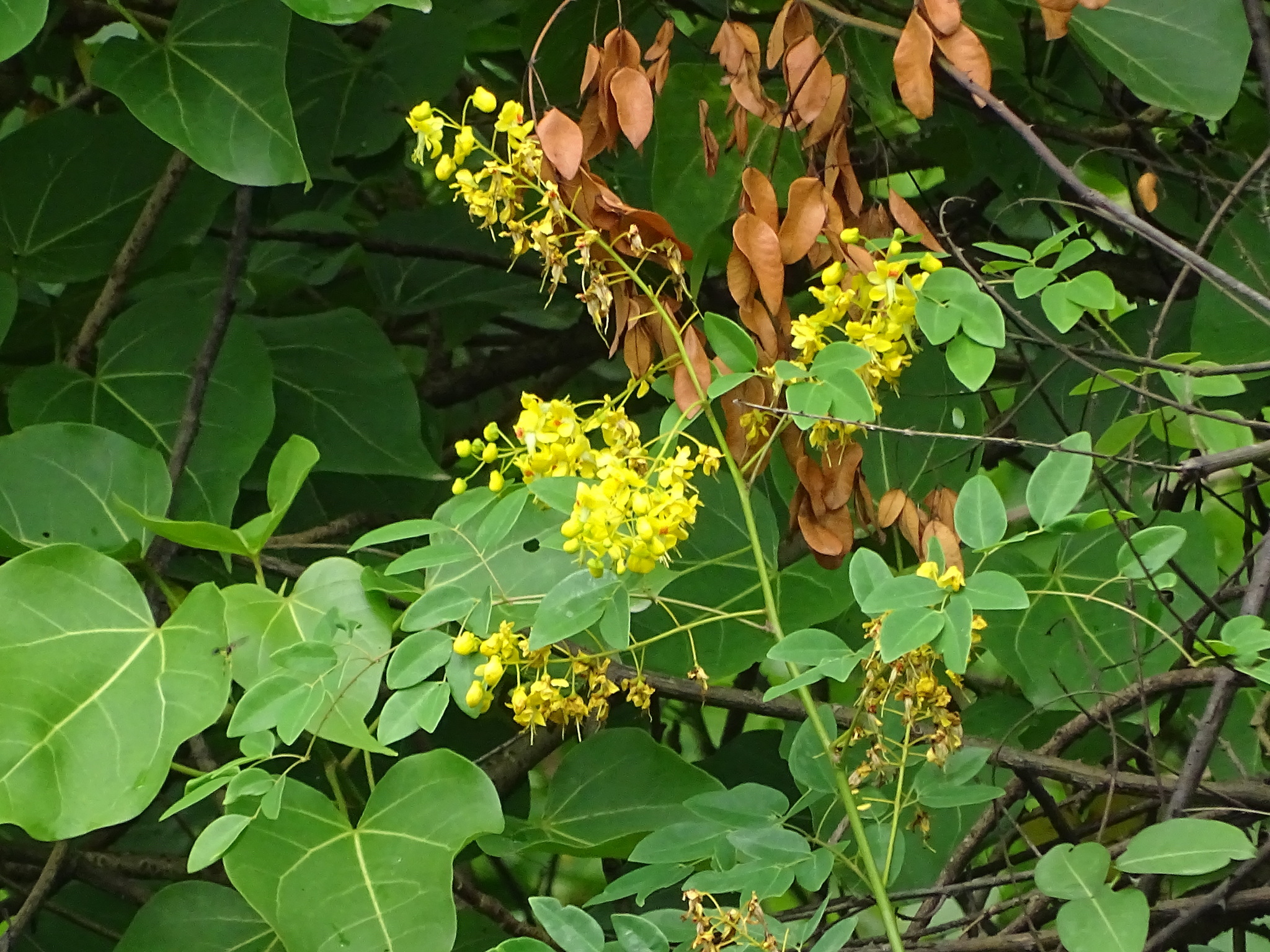
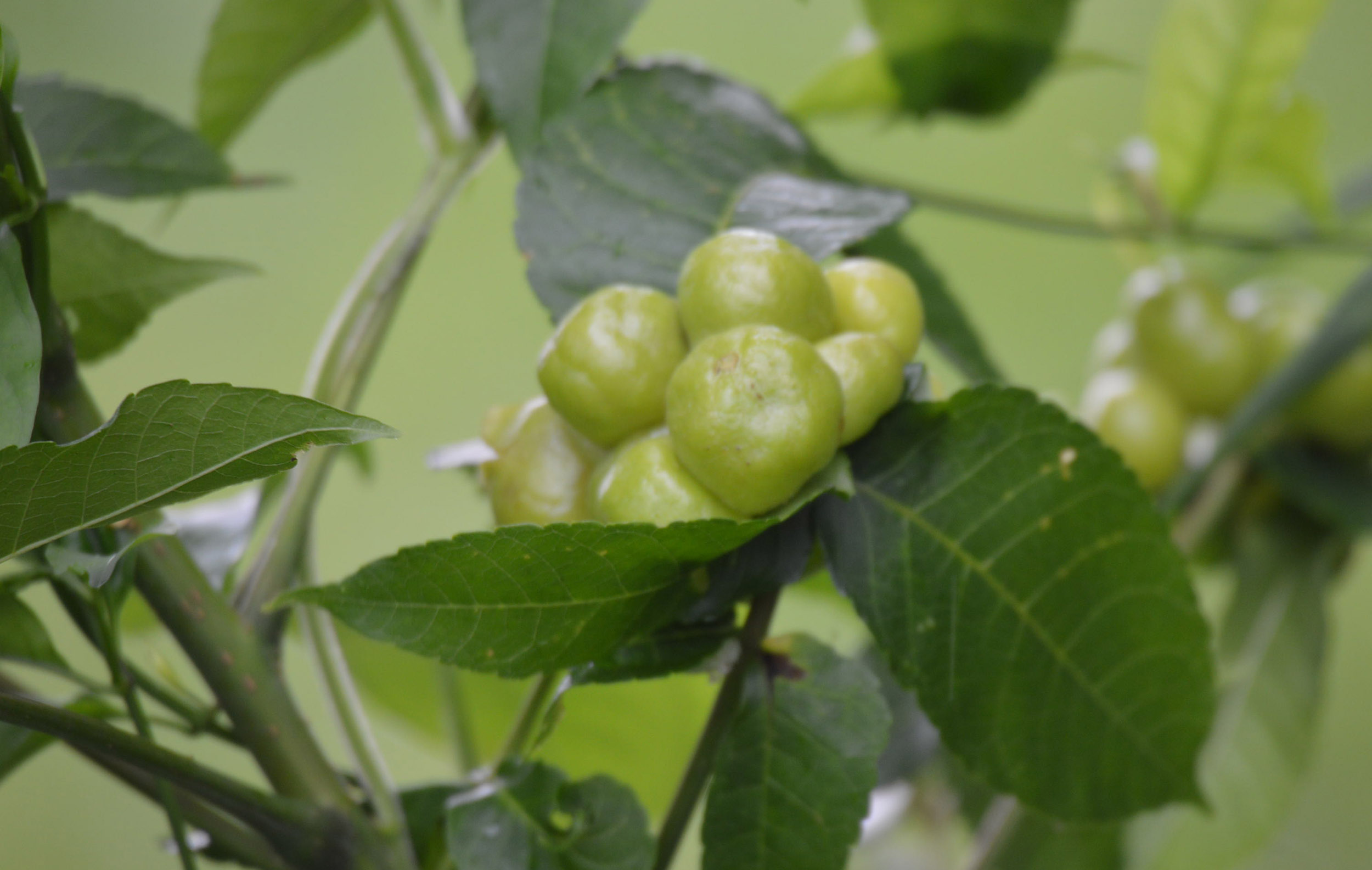
kasamarda :

Use in other system of medicine:
Edible
- Seeds can be roasted and sometimes substituted for coffee.
- In Senegal and the Antilles, seeds used as a substitute for coffee.
- Leaves and flowers, cooked, are edible.
Folkloric
· Seeds used as emeto-cathartic. Also, employed as febrifuge, usually as an infusion in coffee.
· Used for chronic gastroenteritis, constipation, indigestion, gastric pains, asthma and fever, poisonous snake and insect bites.
· Pounded fresh material applied as poultice for snakebites.
· Plant used for dropsy, rheumatism, fevers and venereal diseases.
· Ointment used for ringworm, eczema and variety of skin diseases.
· Roots used for gonorrhea, black-water fever, malaria, and dysentery.
· In Peru, decoction of roots used for fevers; seeds brewed for asthma.
· In Brazil, roots are used as tonic, febrifuge, diuretic and anthelmintic; also used for fevers, menstrual problems, tuberculosis.
· Infusion of roots and bark used for malaria and hematuria.
· Infusion of bark used for diabetes.
· Leaves used as purgative and antiherpetic.
· Poultice of leaves used for skin irritation and eczema.
· In Lagos, leaf infusion used as specific for black-water fever.
· In Lagos and Liberia, infusion of leaves used as purgative.
· In Dahomey, decoction of leaves used as febrifuge.
· In the Dutch Indies, poultice of leaves used for toothache.
· In the French colonies of western Africa, infusion of leaves used for yellow fever.
· In Malaya, poultice of leaves used for headache.
· In the West Indies, root used as diuretic.
· In Panama, leaf decoction used for stomach colic; poulitce of crushed leaves as anti-inflammatory; and fresh crushed leaves to expel intestinal worms.
· Used as abortifacient.
· In Jamaican folk medicine, used for diarrhea, dysentery, constipation, fever, cancer, eczema, and venereal diseases.
· In India, used for fever, menstrual problems, tuberculosis, anemia, sore eyes, rheumatism, hematuria. Bark infusion used in diabetes.
· In Northern Nigeria, leaves used as a cure for hepatitis.
· In African pharmacopoeia, fresh leaves used for constipation and malaria; also use as enema for its abortive properties.
- » Classification and names of kasamarda
- » Synonyms and definitions of kasamarda
- » Drug Properties of kasamarda
- » Chemical Constituents of kasamarda
- » Standardization of kasamarda
- » Parts used and Dosage of kasamarda
- » Morphology and Histology of kasamarda
- » Distribution and Conservation of kasamarda
- » Cultivation of kasamarda
- » kasamarda in the market
- » Medicinal Uses of kasamarda
- » Researches and clinical trails of kasamarda
- » kasamarda in other sytems of medicine
- » Ayurvedic formulations with kasamarda
- » Images of kasamarda

Website Administrator
This article is incomplete. If you feel you can make a contribution, please let us know by sending email to mail@ayushvedah.com, we may consider your request. Thank you.