
vamsalocana :
CONCLUSION:
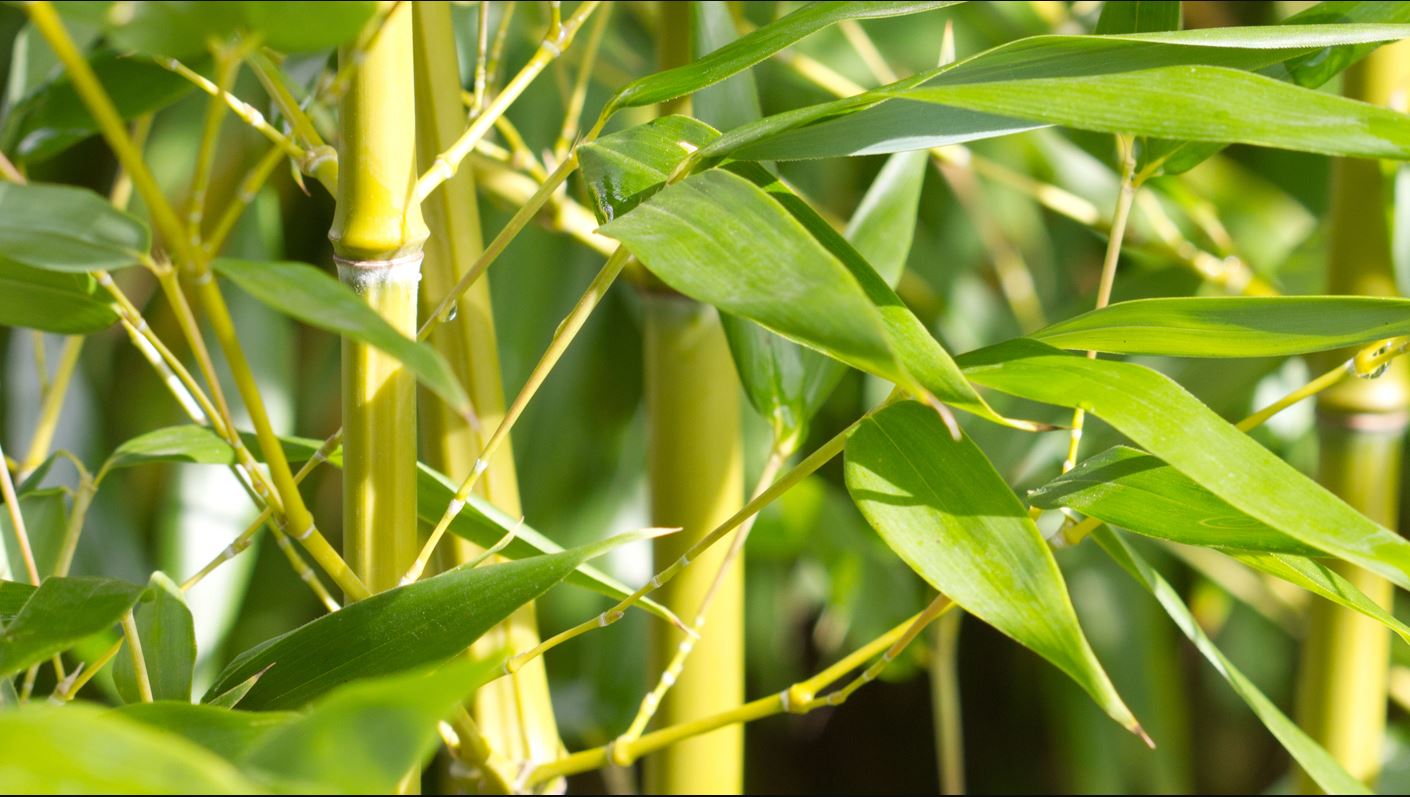
Bamboo consist of fresh leaves & dried fruits Bambusa arundinacea Linn Graminae (Kirtikar and Basu, 1990). Bamboos are members of the Graminae (Poaceae) family, as are corn, sugar cane and other grasses. Bamboos differ from the other members of the grass family by the presence of branches at each node. A bamboo culm consists of an internode (which is hollow for most bamboo) and a node, which is solid and provides structural integrity for the plant. At the node are one or more buds (depending on the species) which produce side branches. The root (burnt root) is applied to ringworm, bleeding gums, painful joints (Khare, 2007). Seeds are acrid, laxative, said to be beneficial in strangury and urinary discharges (Chopra et al., 1958). Bark is used for skin eruptions (Khare, 2007). Leaf is emmenagogue, antileprotic, febrifuge, bechic, used in haemoptysis (Khare, 2007).- » Classification and names of vamsalocana
- » Synonyms and definitions of vamsalocana
- » Drug Properties of vamsalocana
- » Chemical Constituents of vamsalocana
- » Standardization of vamsalocana
- » Parts used and Dosage of vamsalocana
- » Morphology and Histology of vamsalocana
- » Distribution and Conservation of vamsalocana
- » Cultivation of vamsalocana
- » vamsalocana in the market
- » Medicinal Uses of vamsalocana
- » Researches and clinical trails of vamsalocana
- » vamsalocana in other sytems of medicine
- » Ayurvedic formulations with vamsalocana
- » Images of vamsalocana

Dr Mohamed Rifas
A dual country licensed Ayurveda Physician, currently working in Dubai as Head of Ayurveda and Yoga department. He also works as visiting doctor for Dr Hassan Ayurveda Brain and Spine Specialty Hospital. He is specialized in joint issues, brain and spine related issues and gastrointestinal issues with respect to anxiety.
Doctor profile: Click here


