sthulgokshura :

Morphology:
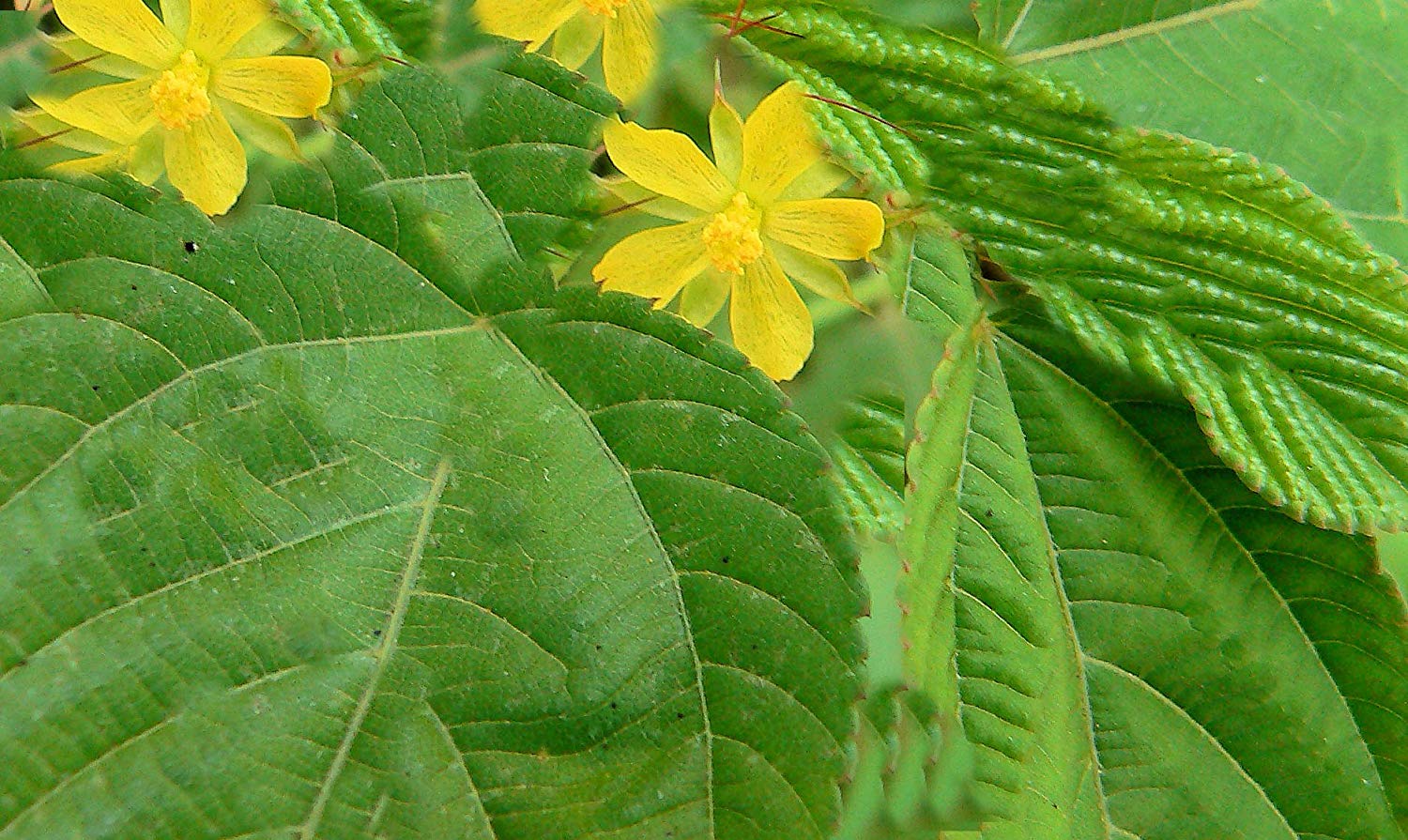
P. murex is a shrubby herb having a stiff-stemmed[5]. It is a diffuse annual, much branched, spreading, succulent, glandular plant up to 50 cm tall. Leaves alternate, repandangulate, flower axillary, pedicel with a pair of yellow glands[30]. The plant is classified and placed taxonomically under the Kingdom- plantea, division- magnoliophyta, class- magnoliopsida, order- lamiales, familypedaliaceae, genus- Pedalium L. Microscopic studies of the leaf of P. murex showed prominent midrib, slightly thicker lateral veins, uniformely thick lamina with smooth surface, spindle shaped thin walled epidermal cell, flat petiole with slight concavity on the adaxial, glandular type of trichomes on both abaxial and adaxial sides, reticulate venation with thick and straight veins and anisocytic type stomata was found to present in the abaxial surface[40]. Generally there are more than hundred species present and they differ taxonomically from each other in various ways. Among the subtypes of longitudinal dehiscence, latrorse type is most common found in 114 species, followed by extrorse and introrse types in 49 and 28 taxa respectively. The poricidal anther types were specific for only few genera such as Pedalium[- » Classification and names of sthulgokshura
- » Synonyms and definitions of sthulgokshura
- » Drug Properties of sthulgokshura
- » Chemical Constituents of sthulgokshura
- » Standardization of sthulgokshura
- » Parts used and Dosage of sthulgokshura
- » Morphology and Histology of sthulgokshura
- » Distribution and Conservation of sthulgokshura
- » Cultivation of sthulgokshura
- » sthulgokshura in the market
- » Medicinal Uses of sthulgokshura
- » Researches and clinical trails of sthulgokshura
- » sthulgokshura in other sytems of medicine
- » Ayurvedic formulations with sthulgokshura
- » Images of sthulgokshura

Website Administrator
This article is incomplete. If you feel you can make a contribution, please let us know by sending email to mail@ayushvedah.com, we may consider your request. Thank you.