
phudina :
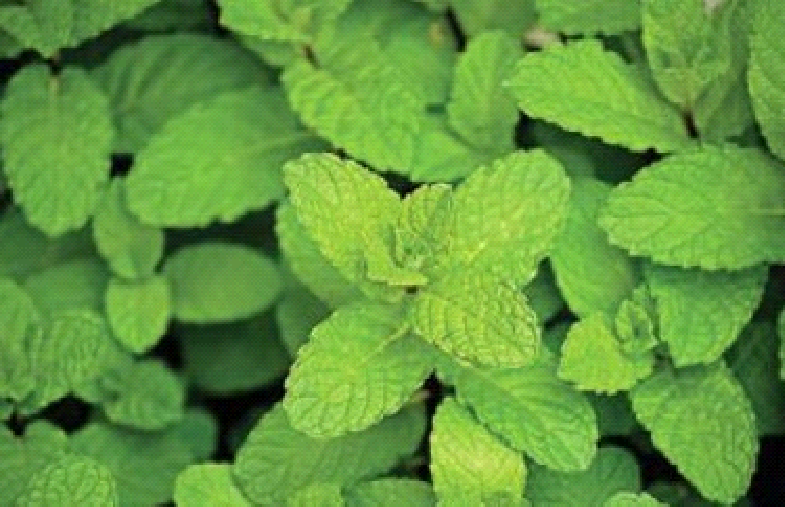
General Use:
Peppermint is mostly used as a flavouring agent for foods like meat, fish, sauces, soups, tea, tobacco, cordials etc. Peppermint oil is used for flavouring in mouth washes, tooth pastes etc. Peppermint is commonly used as a home remedy to treat stomach disorders, theumatism. It is also used in ointments for headaches, cough drops etc. Peppermint oil and dried Peppermint leaves are antiseptic, carminative, refrigerant, stimulant and diuretic.Therapeutic Uses:
The leaves are used with their intense minty scent, which is clearly notable when rubbed - it comes from the essential oil contained in the leaves.Systemic Use:
Peppermint leaves
Internally for spasms and cramps in the stomach-intestinal tract and bile ducts, associated with flatulence (Commission E, ESCOP). The HMPC has classified peppermint leaves as a traditional herbal medicinal product (see "traditional use").
Peppermint oil
Internal use as described for the drug, the oil is applied externally in particular for irritable bowel syndrome and catarrh of the upper respiratory tracts, but also as an inhalant (Commission E, ESCOP).
Externally as a rub for myalgia (muscle pain) and neuralgia (nerve pain), particularly for tension headaches and skin symptoms such as itching, hives, painful skin irritation (ESCOP).
The HMPC has accepted peppermint oil for internal use as being effective against cramp pains in the gastrointestinal tract (especially irritable bowel syndrome), and for external use only the action against tension headaches for "well-established medicinal use"
Administration:
Peppermint leaves (Mentha piperitae folium)
Peppermint leaves dried extract (Menthae piperitae folii extractum siccum)
Peppermint oil (Menthae piperitae aetheroleum)
Pharmacological:
Herbalists consider peppermint as an astringent, antiseptic, antipruritic, antiemetic, carminative, vermifuge, diaphoretic, analgestic. The plant extract possesses radioprotective, antioxidant, anticarcinogenic, antitumorgenic,antinociceptive,antiandrogenic,antiallergic, antispasmodic, anticatarrhal properties amongst others.- » Classification and names of phudina
- » Synonyms and definitions of phudina
- » Drug Properties of phudina
- » Chemical Constituents of phudina
- » Standardization of phudina
- » Parts used and Dosage of phudina
- » Morphology and Histology of phudina
- » Distribution and Conservation of phudina
- » Cultivation of phudina
- » phudina in the market
- » Medicinal Uses of phudina
- » Researches and clinical trails of phudina
- » phudina in other sytems of medicine
- » Ayurvedic formulations with phudina
- » Images of phudina

Website Administrator
This article is incomplete. If you feel you can make a contribution, please let us know by sending email to mail@ayushvedah.com, we may consider your request. Thank you.


